Newsroom
Newsroom
13 April 2026, by Newsroom-Redaktion

Photo: AdobeStock/Andrey Popov
There are currently many ideas about how to structure daily hospital operations in order to attract skilled workers, retain staff, and improve the quality of care. But what concrete benefits do these measures actually bring? Theresa Maurer, Prof. Dr. Eva-Maria Wild, and their team at the Hamburg Center for Health Economics are investigating this question.
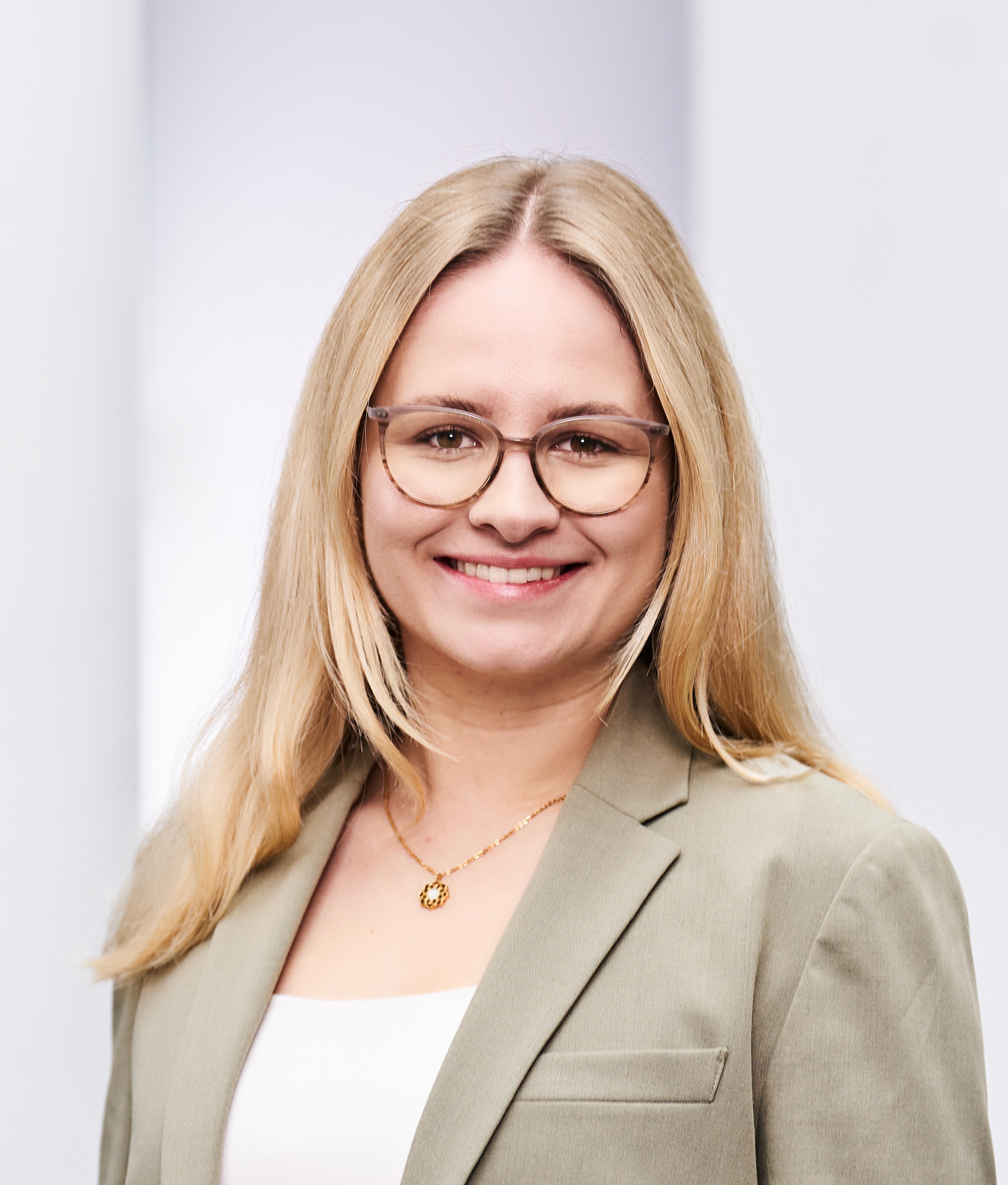
Maurer: Many hospitals face similar challenges: rising workloads, a shortage of skilled workers, and increasingly complex care requirements. Against this backdrop, the University Medical Center (UKE) developed the “Work 5.0” project to test new work schedule models and forms of collaboration. Our role at the Hamburg Center for Health Economics was not to devise or transfer these changes ourselves, but to provide scientific support. We wanted to systematically investigate whether and how these measures work in everyday work life—and whether they actually achieve the intended goals.

Wild: Many measures to improve working conditions sound plausible at first—such as more flexible working hours or new forms of teamwork. But we know from experience that not every good innovation achieves the desired effects. Some measures have no effect at all, while others even have unintended side effects. This is particularly relevant in hospitals because changes affect both employees and patients. At the same time, resources are limited—time, staff, and financial resources. That is why it is crucial to know which approaches are actually effective and which are not.
Maurer: The UKE introduced two key approaches. First, new, more flexible work schedules were tested in nursing—for example, short shifts, flex time, or extended shifts. Second, collaboration between professional groups was made more structured. This included, among other things, short morning team briefings, fixed tandems of doctors and nurses, and clearer coordination processes in daily ward life. The basic assumption was: If work schedules are good at aligning with employees’ real-life circumstances and collaboration is clearly organized, both staff and patients benefit.
Wild: We monitored the project over a four-year period and combined various data sources. Employees were regularly surveyed on topics such as job satisfaction, health, and teamwork. In addition, we analyzed routine hospital data, such as sick leave and staff turnover. In total, we were able to evaluate data from more than 130 wards and departments. This combination allowed us not only to capture subjective assessments but also to highlight objective changes in everyday hospital life.
Maurer: Yes, for example, nursing staff can take on shorter shifts when they have family obligations. Many respondents view this very positively. However, we also see that the need for flexible work models varies greatly and depends heavily on the individual situation of the employees. We are currently evaluating how these measures are changing absenteeism rates.
The morning team briefings, designed to share information early and better coordinate workflows, are also good. At just under 60 percent, the majority of respondents indicate that the process optimization measures have a positive impact on collaboration within and between professional groups. Such measures may seem small at first, but they can have a significant impact—for example, by reducing misunderstandings, distributing the workload more evenly, or enabling teams to collaborate more efficiently. However, it was also emphasized that time pressure and stress in everyday ward life make it difficult to achieve the transfer of these measures.
Maurer: Our evaluation answers a central question: Do the measures introduced actually achieve the desired effects? This allows us to create an evidence-based foundation on which hospitals can assess whether certain measures should be continued, adapted, or even discarded. This is crucial, especially in a system with limited resources.
Wild: Yes, because the healthcare system is under considerable pressure: the population is aging, the demand for care is rising, and at the same time there is a shortage of qualified staff. In this situation, it is particularly important not only to try out new organizational models but also to evaluate them systematically. This is the only way to ensure that scarce resources are deployed where they actually have an impact and deliver benefits.
(This content has been translated automatically.)
The evaluation of the “Working 5.0” project will be conducted from 2022 to 2026 by the team led by Theresa Maurer, Eva-Maria Wild, and Fenja Hoogestraat. It receives funding from Techniker Krankenkasse (referred by the University Medical Center Hamburg-Eppendorf). Theresa Maurer is a research associate on the “Healthcare Management” professorship headed by Prof. Dr. Jonas Schreyögg at the University of Hamburg Business School and at the Hamburg Center for Health Economics (HCHE)—a joint research center of the University of Hamburg and the University Medical Center Hamburg-Eppendorf that combines expertise in economics and social sciences with medical expertise and is one of the largest health economics research institutions in Europe. The project is led by Prof. Dr. Eva-Maria Wild. Until 2025, she was a professor of Business Administration, specializing in health care management, at the University of Hamburg Business School. She is currently a professor of Health Services Research at the University of Siegen and an associate member of the HCHE.
There are approximately 6,200 academics conducting research at 8 faculties at the University of Hamburg. The Doing the Research series outlines the broad and diverse range of the research landscape, and provides a more detailed introduction of individual projects. The articles appear in the University of Hamburg Newsroom. Every 2 weeks, the Hamburger Abendblatt publishes some of them. Feel free to send any questions and suggestions to the Newsroom editorial office(newsroom"AT"uni-hamburg.de).