Newsroom
Newsroom
12 October 2026, by Anna Priebe

Photo: University of Hamburg, RRZ/MCC, Mentz
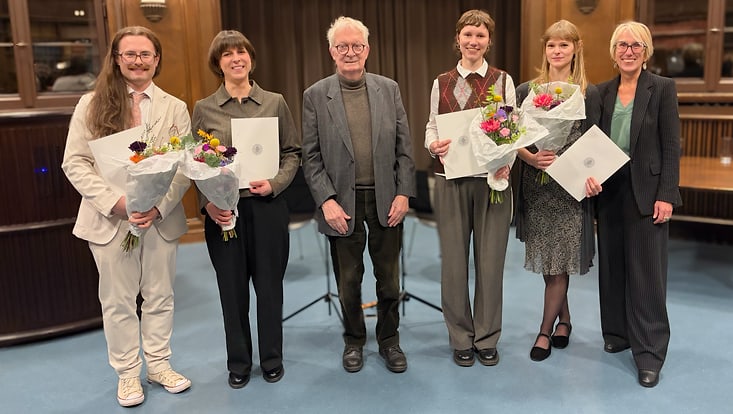
Since 1 October 2026, Prof. Dr. Nale Lehmann-Willenbrock has been the new dean of the Faculty of Psychology and Human Movement Science at the University of Hamburg. In this interview, she discusses challenges, helpful approaches from her research, and the importance of humor in difficult times.
I thanked my colleagues for their trust. Our faculty faces enormous challenges due to the necessary budget cuts and streamlining measures as part of the restructuring process. At the same time, we want to maintain our research strength and the quality of our teaching. This requires genuine transformation and can only be achieved if we work together—in cooperation with the Executive University Board and policymakers. I look forward to playing an active role in shaping this process.
To be honest: In times of budget constraints, academic self-governance isn’t exactly a walk in the park. But I’m stubborn about this and tell myself: now more than ever. As resources become scarcer, we must not freeze in shock but rather structure our work so that cutting-edge research and teaching remain strong despite the hurdles. As a work and organizational psychologist, I research how teams and organizations can collaborate effectively even under challenging conditions. I want to contribute my expertise to steer our faculty pragmatically through the coming years.
Yes, plenty. For example, I do a lot of research on meetings in organizations and strive to structure meetings in a way that energizes participants and leads to decisions rather than wasting time.
Furthermore, we know from organizational psychology research that psychological safety is essential for effective collaboration and collective performance. This means that everyone must feel confident taking risks, openly addressing mistakes, and voicing new ideas—regardless of their role or position within the organization. Finally, research also shows that sustainable change can only happen through participation. Together with the Dean’s Office team, we will therefore prepare and make decisions where the expertise lies and ensure the process is conducted transparently.
First: Harnessing synergies. As financial resources become scarcer, there is great potential in interdisciplinary collaboration and the shared use of structures. Second: Using digitalization to optimize processes, thereby tangibly saving time and reducing the workload for our scientists, members of the administration, and students. And third: Promoting resilience. The current circumstances are draining, and we need an organizational culture that ensures mental health, transparency, and mutual support so that our faculty remains capable of acting and motivated even under sustained pressure.
On an equal footing and without hierarchical barriers. Administration and academia will pull together. The Dean’s Office team will communicate openly and honestly, even when discussing uncomfortable topics. And: It’s essential to leave room for humor—not only because it makes the work of the Dean’s Office more enjoyable, but also because shared humor has been proven to boost our team’s productivity.
(This content has been translated automatically.)